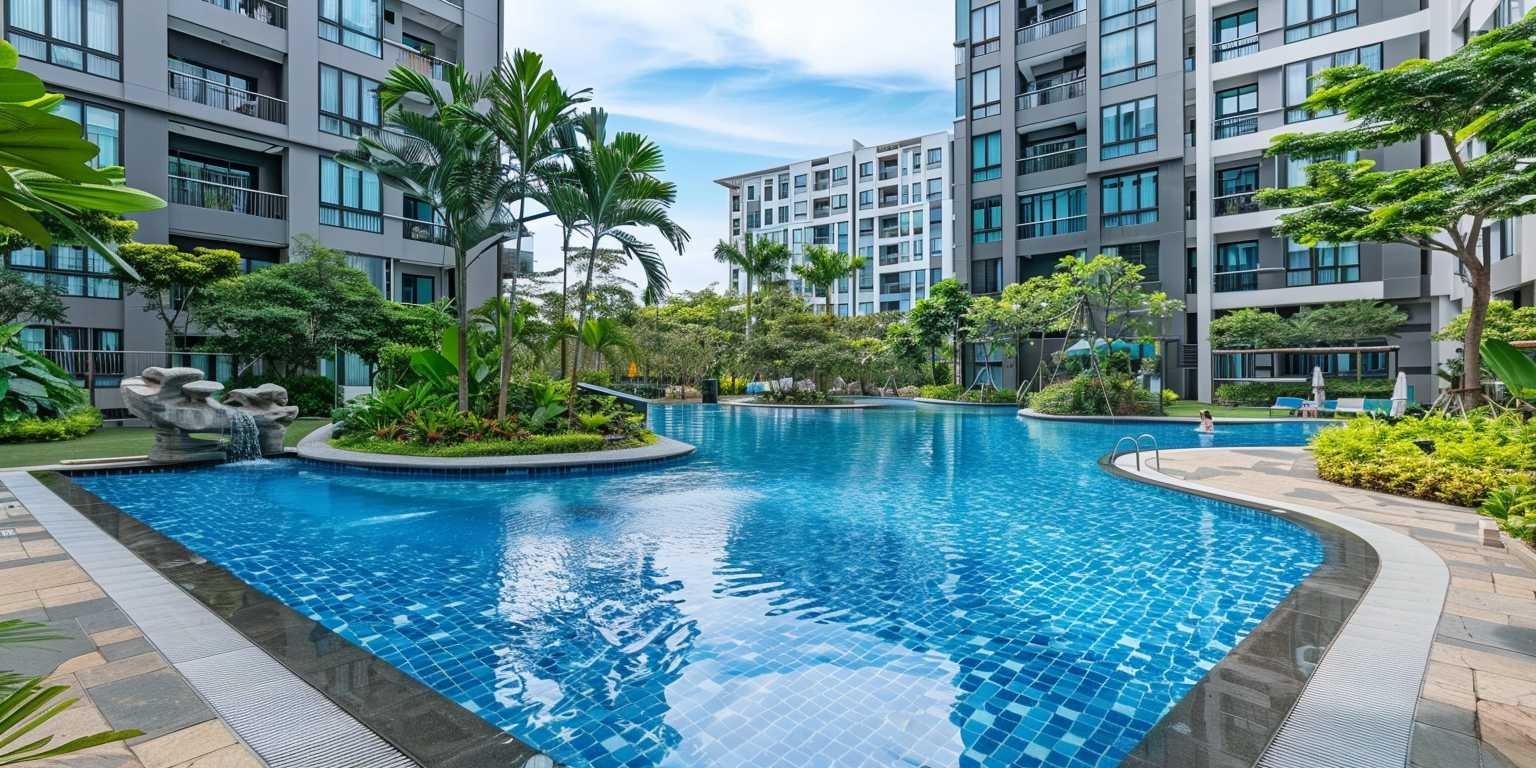
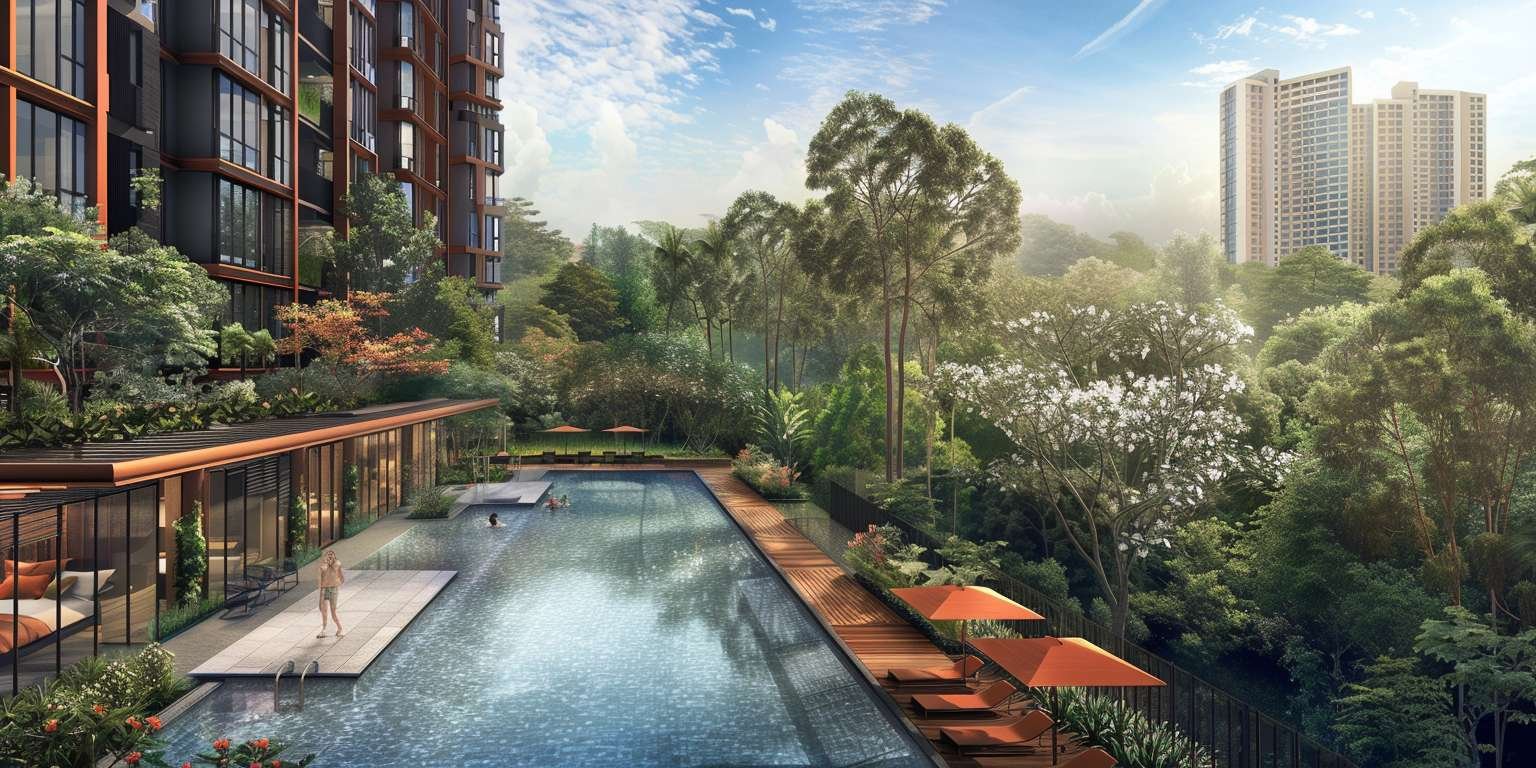
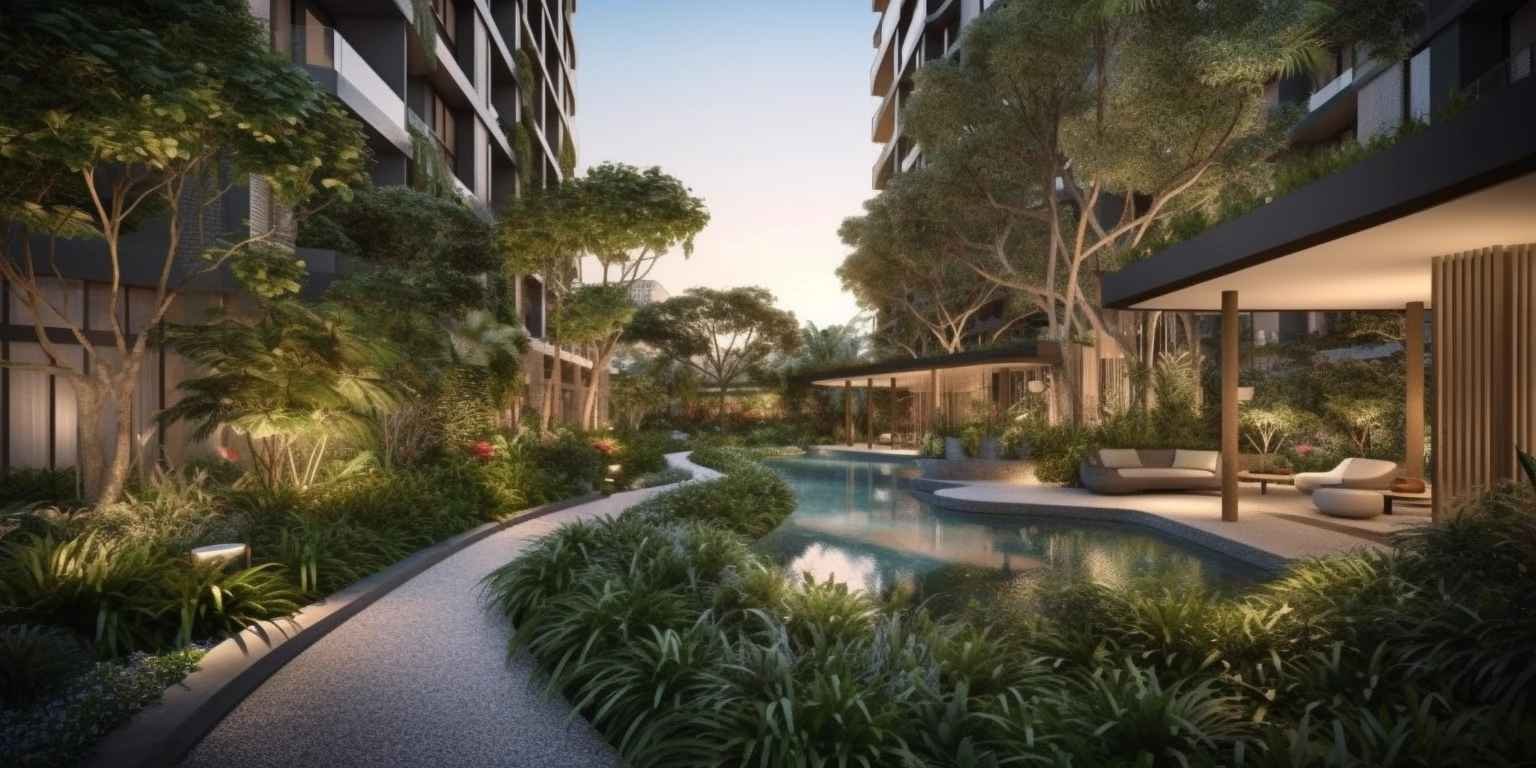
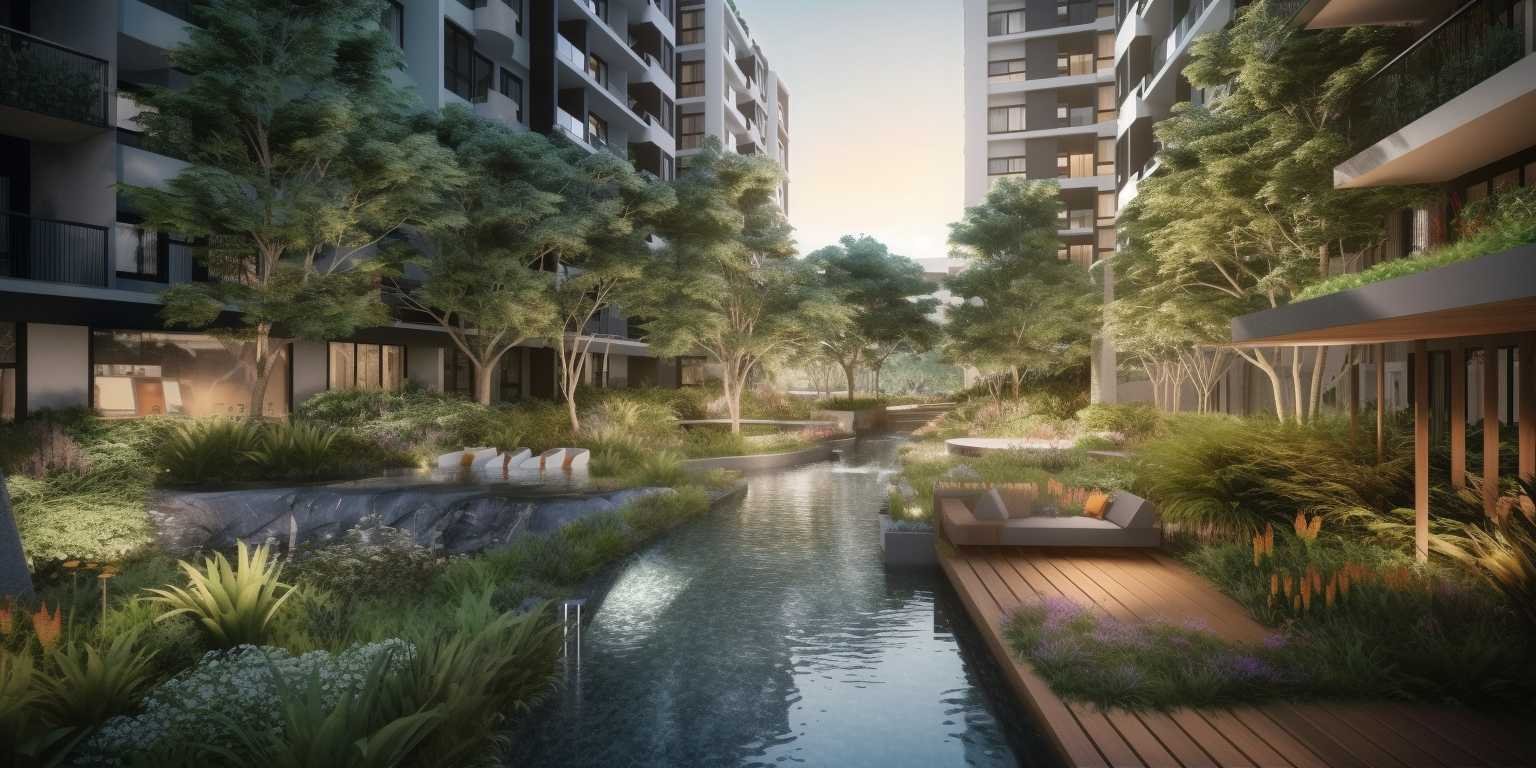
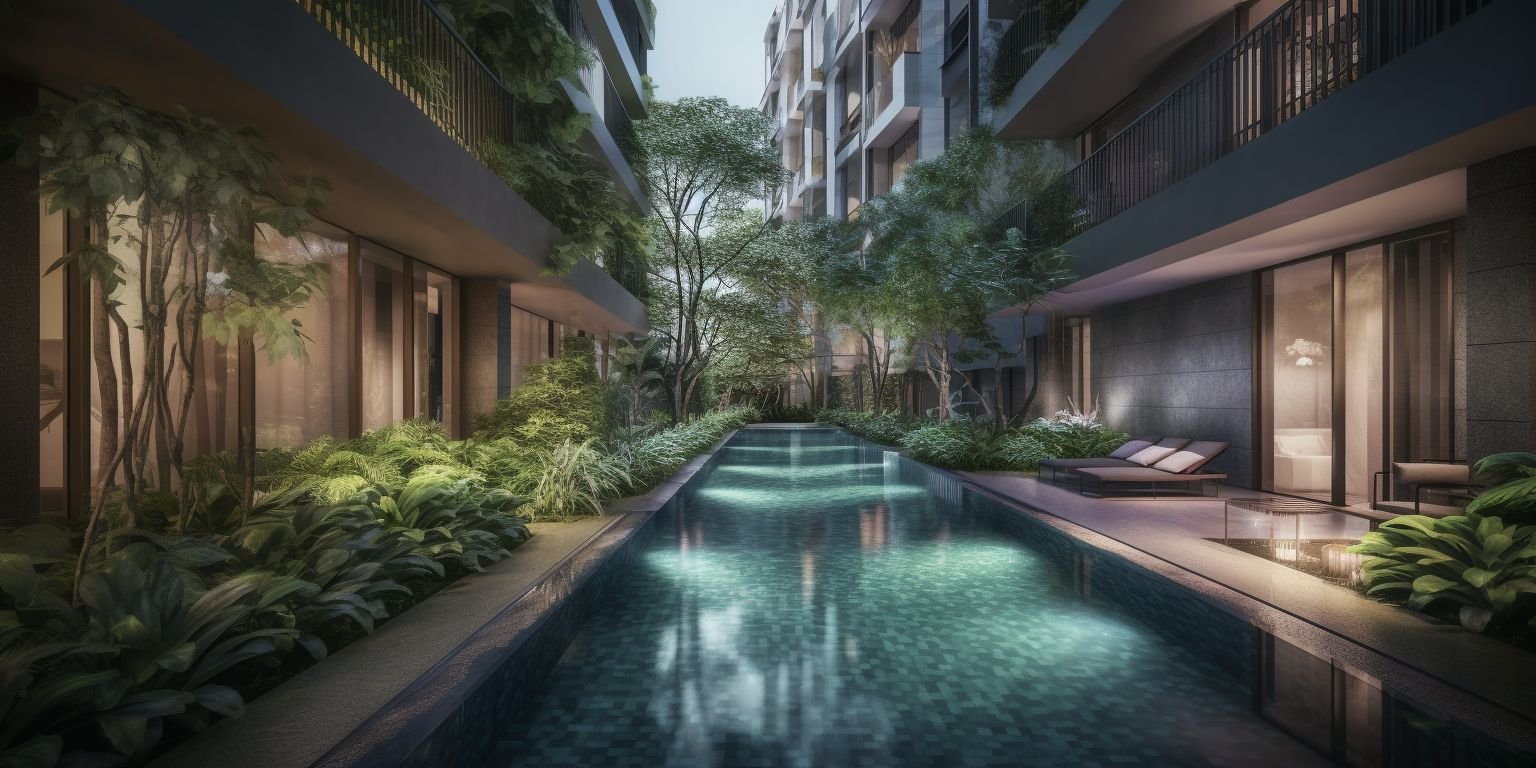
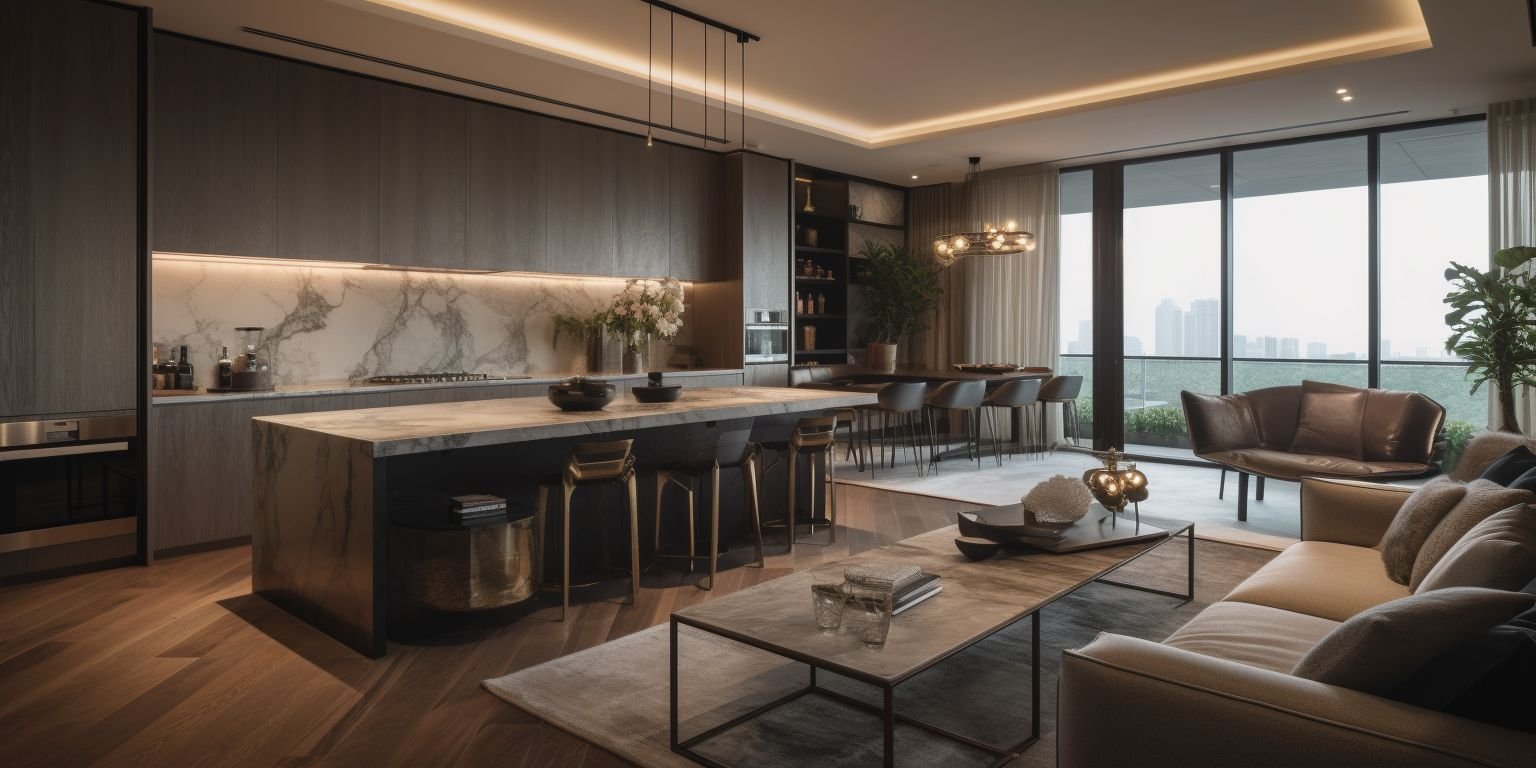
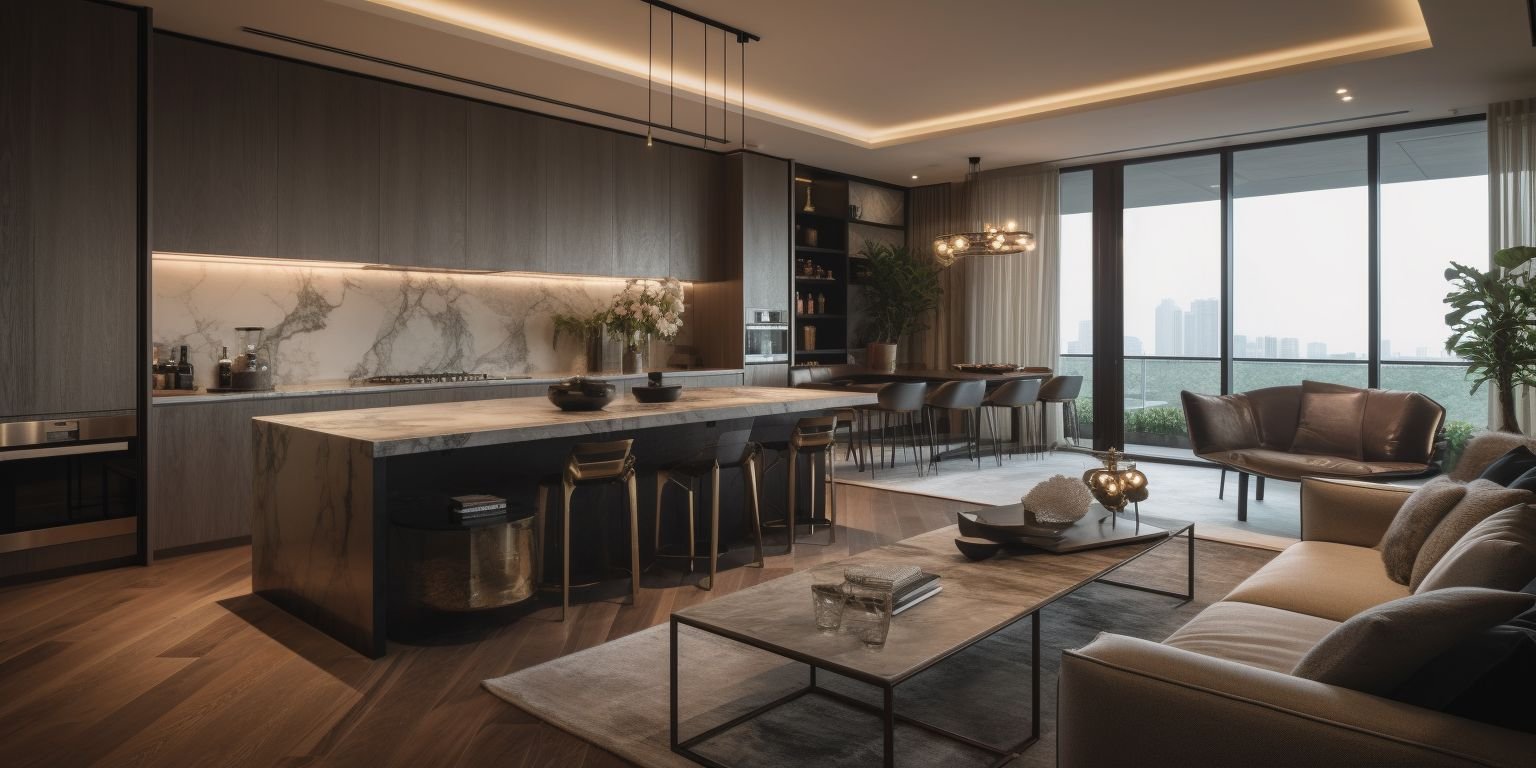
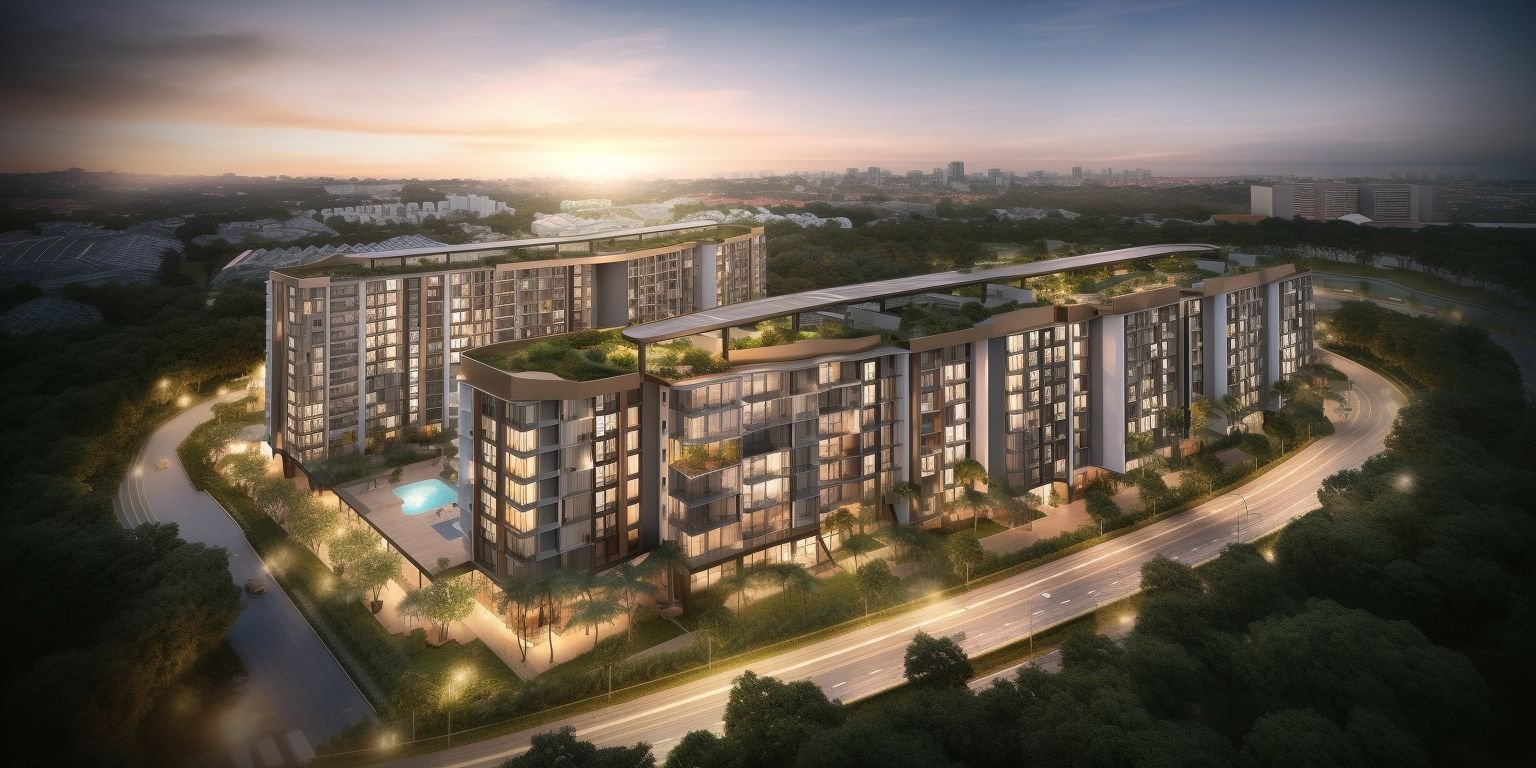
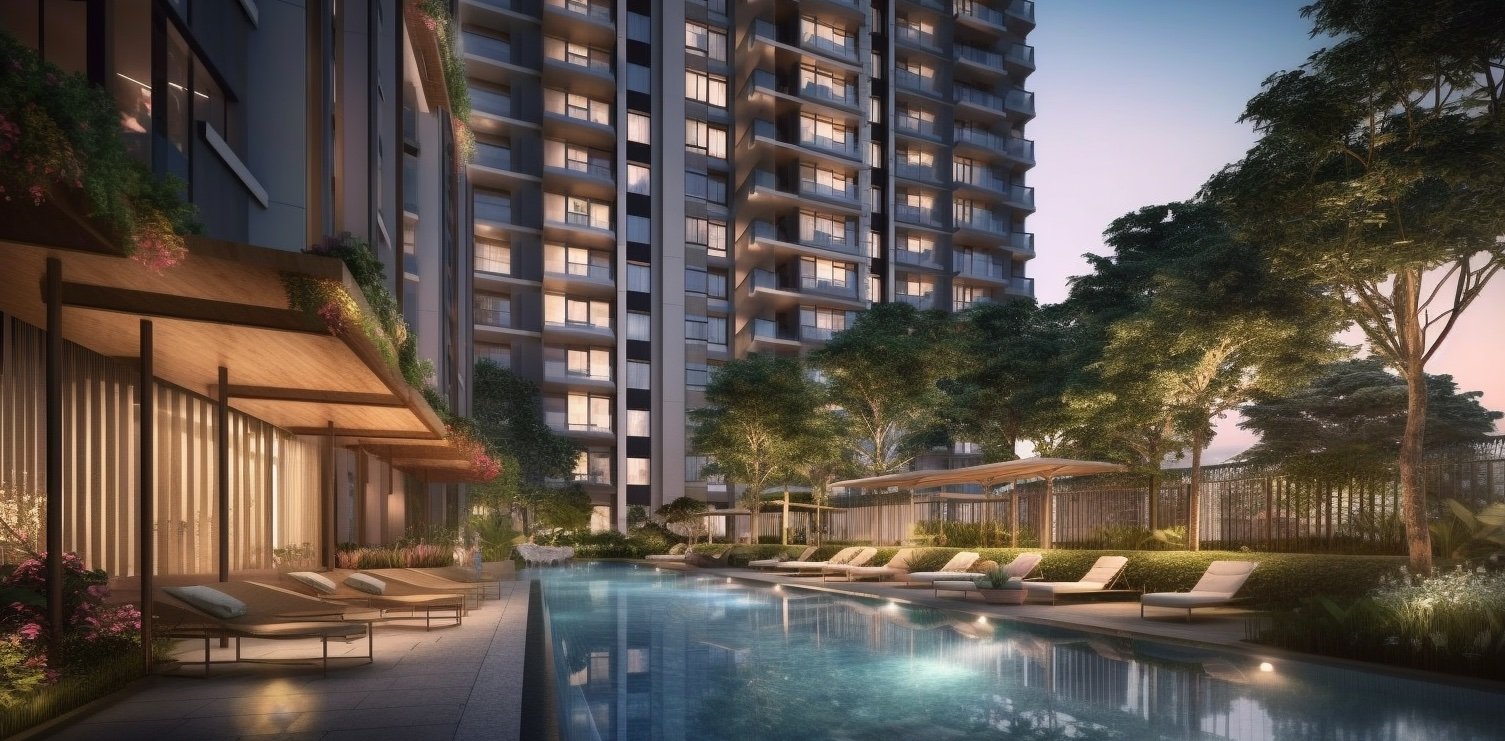
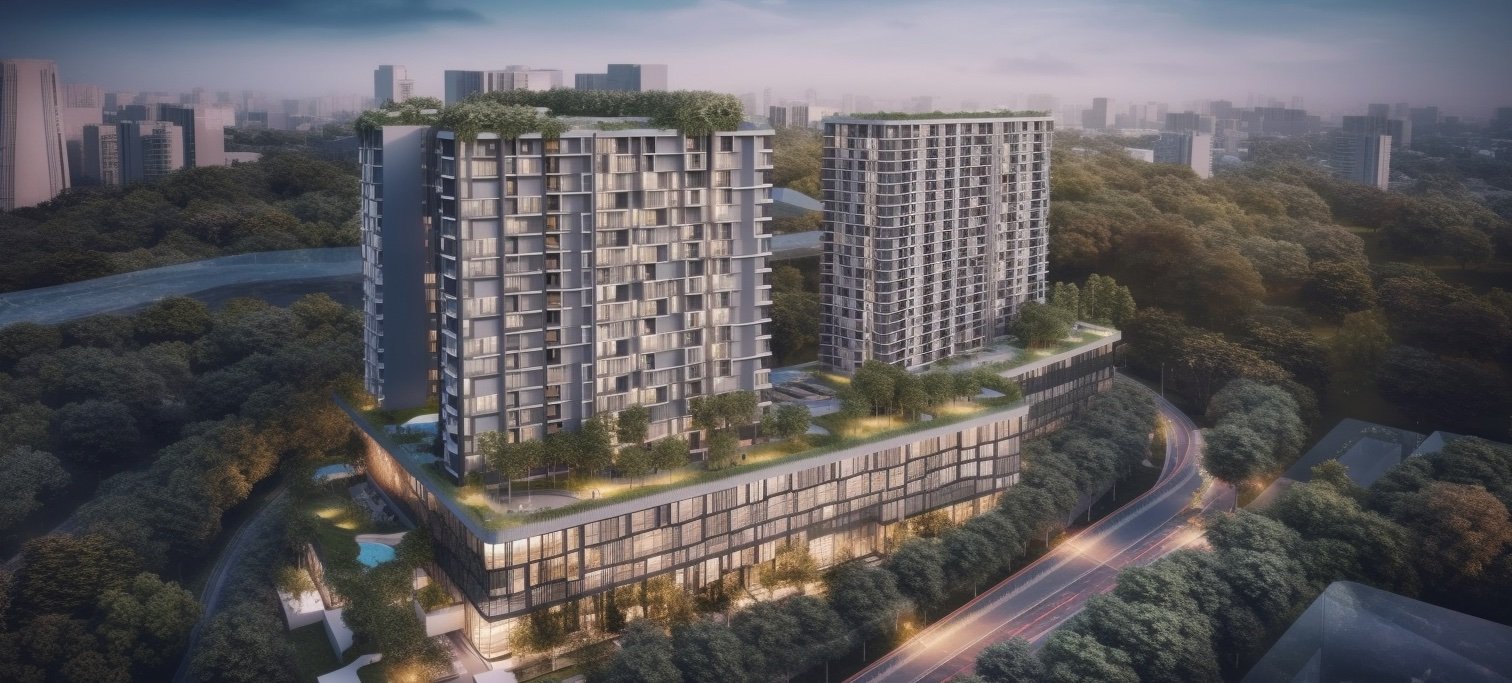
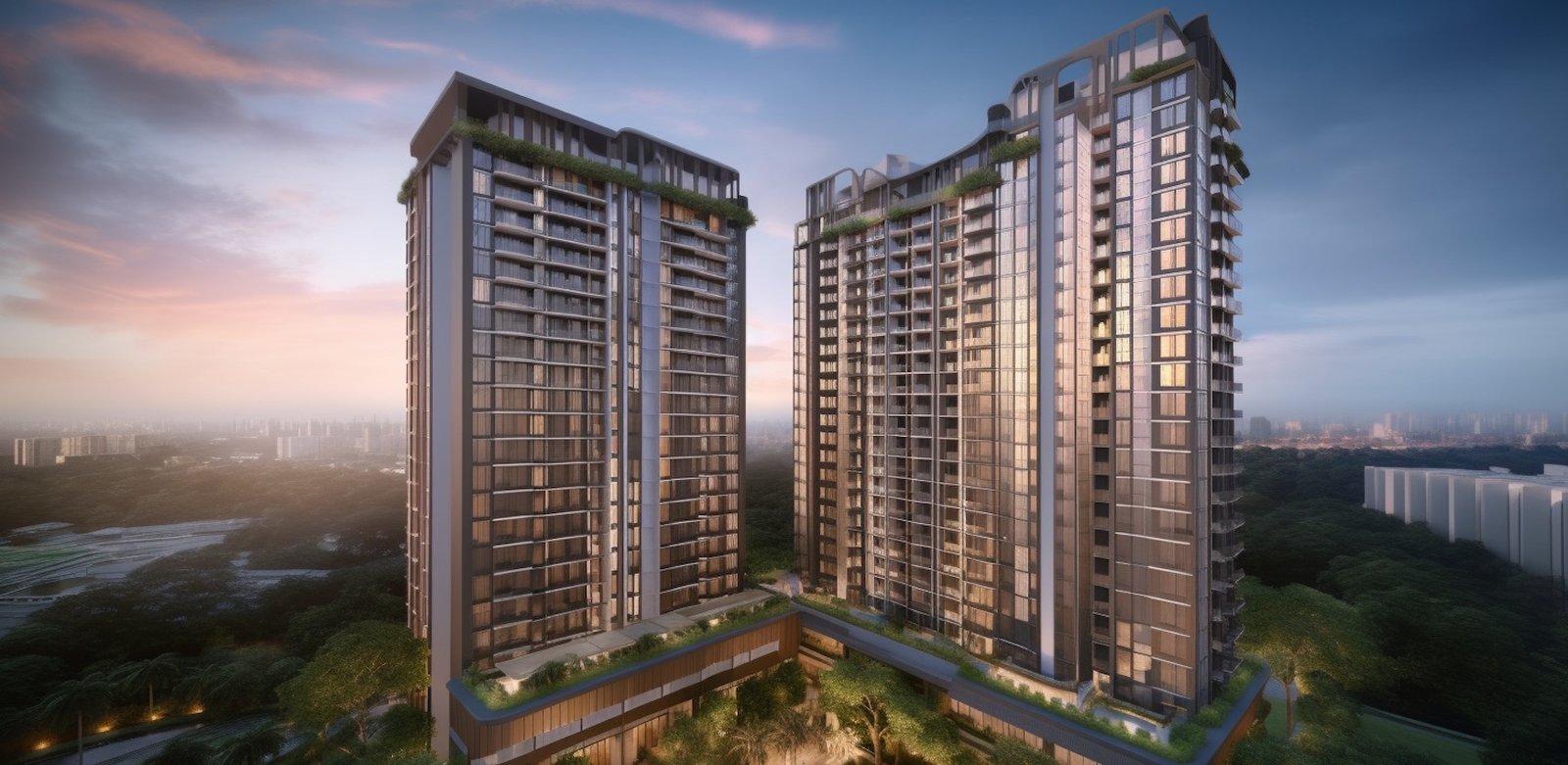
Park Hill truly offers the best of both worlds – the tranquility of nature and the convenience of city living. The development also boasts luxurious and spacious homes, making it the perfect choice for families and nature enthusiasts alike. Its close proximity to reputable schools and amenities further adds to its appeal. Park Hill is more than just a place to live, it is a peaceful oasis where one can relax and rejuvenate amidst the bustling city life. Experience the perfect balance between modern comforts and nature’s splendor at Park Hill, where nature truly meets luxury.
Park Hill is a highly sought-after residential area in Bukit Timah, Singapore. One of its main attractions is its prime location near nature. The Bukit Timah Nature Reserve, a sprawling primary rainforest, is conveniently located just a short distance away from Park Hill. For the residents of The Parkhill, this means easy access to a plethora of outdoor activities such as hiking, biking, and bird watching. These activities not only promote a healthy and active lifestyle, but also allow residents to immerse themselves in the beauty of nature.
Bukit Timah is widely known for its lush greenery and the Bukit Timah Nature Reserve is a true testament to this. As one of Singapore’s largest primary rainforests, it is a haven for nature lovers and adventure seekers alike. The reserve is home to a diverse range of flora and fauna, making it a popular spot for nature enthusiasts and researchers.
With Park Hill in close proximity to the Bukit Timah Nature Reserve, residents have the luxury of exploring the great outdoors at any time. The well-maintained trails make it perfect for hiking and biking, providing a great opportunity for residents to stay active while immersing themselves in the beauty of the rainforest. The reserve is also home to a variety of bird species, making it a haven for bird watchers.
Living in Park Hill not only offers a stunning view of nature but also provides numerous health benefits. The abundance of greenery and fresh air in the vicinity of the Bukit Timah Nature Reserve can have a positive impact on one’s physical and mental wellbeing. It also provides a much-needed escape from the hustle and bustle of city life, giving residents a chance to unwind and recharge in nature.
In conclusion, Park Hill’s strategic location near the Bukit Timah Nature Reserve offers its residents a unique opportunity to live a healthy and active lifestyle amidst nature. With easy access to a variety of outdoor activities and the numerous benefits of living close to nature, it is no wonder that Park Hill is a highly desired location for both locals and expats alike.
The Master Plan by the Urban Redevelopment Authority (URA) in Singapore is gearing up to bring a wave of advantages, benefiting not only the worth of properties such as Park Hill but also the well-being of its inhabitants. With the aim of turning Beauty World into a vibrant and eco-friendly urban village, the Master Plan aims to elevate the appeal of this desirable neighborhood in Singapore. In this discourse, let us explore the ways in which the URA Master Plan’s strategies are likely to have a positive impact on Park Hill, including its real estate values and the overall lifestyle of its residents.
Pei Hwa Presbyterian Primary School is a highly coveted educational institution situated within close proximity to Park Hill. Nestled just a brief stroll away, this school is a top choice for families residing in the area. Renowned for its dedication to providing well-rounded education and instilling positive values in students, Pei Hwa offers a comprehensive syllabus encompassing academic, extracurricular, and character-building initiatives.
The location of Pei Hwa Presbyterian Primary School makes it a prime choice for families living in Park Hill. This esteemed school is known for its commitment to holistic education and character development, offering students a well-rounded curriculum that covers academic subjects, co-curricular activities, and values-based programs.
Pei Hwa Presbyterian Primary School is a highly sought-after primary school situated a stone’s throw away from Park Hill. With a reputation for prioritizing comprehensive education and character grooming, Pei Hwa provides a well-designed curriculum that encompasses academic pursuits, extracurricular engagements, and an emphasis on moral values.
Positioned conveniently near Park Hill, Pei Hwa Presbyterian Primary School is a top-rated school that is in high demand among local families. This acclaimed educational institution takes a holistic approach to education and values, offering students a complete learning experience through its diverse curriculum comprising of academics, co-curricular activities, and character-enhancing programs.
Pei Hwa Presbyterian Primary School is located a short distance away from Park Hill, making it a popular choice for families in the vicinity. This esteemed school is known for its focus on all-round education and character development, providing students with a well-rounded curriculum that covers academic subjects, extracurricular pursuits, and values-based initiatives.
With its close proximity to Park Hill, Pei Hwa Presbyterian Primary School is a favored primary school amongst local families. The school is renowned for its dedication to holistic education and character development, offering students a comprehensive curriculum that encompasses academic studies, co-curricular engagements, and a strong emphasis on instilling positive values.
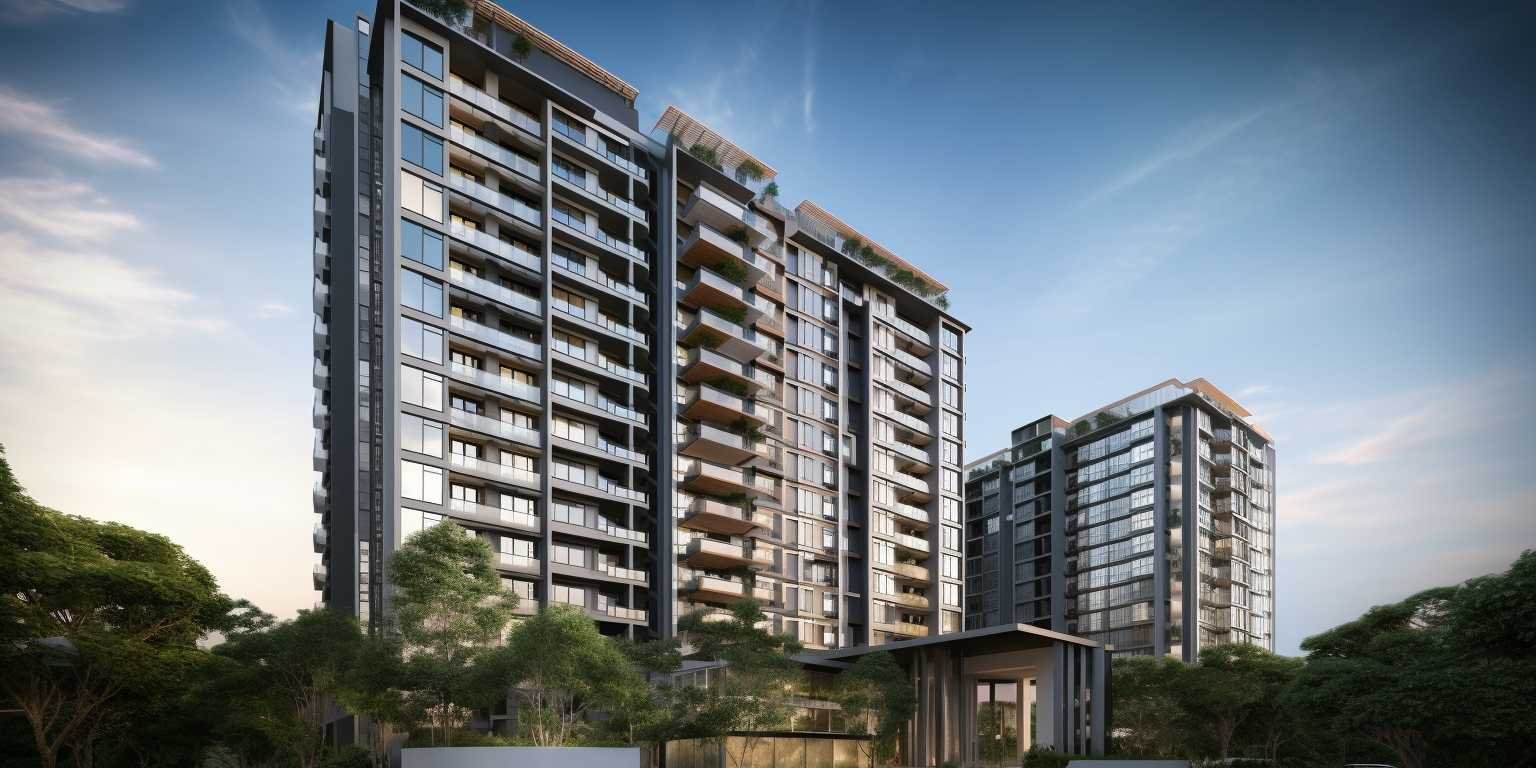
The upcoming Parkhill development in Bukit Timah Link covers a total land area of 4,611.1 square meters and offers a maximum permissible gross floor area (GFA) of 13,834 square meters. Designed with a height of 20 storeys, this development is set to transform the landscape of the region.
The Parkhill’s strategic location provides residents with easy access to various amenities and conveniences. With ample space for future occupants to enjoy, this project is expected to be a prime choice for those seeking a modern and comfortable lifestyle.
The proposed Parkhill development will feature a range of versatile facilities and services to cater to the diverse needs of its residents. These facilities include a swimming pool, a gym, a BBQ area, and a playground for children. With such amenities within a stone’s throw away, residents will have endless opportunities to indulge in leisure activities and bond with their loved ones.
Parkhill also boasts of its proximity to various educational institutions, including reputable schools such as the National University of Singapore and the Singapore Management University. This makes it an ideal home for families with school-going children.
Besides, the project is situated in a prime location that is well-connected to various transportation networks, making commuting a breeze for residents. Numerous bus services operate in the vicinity, and the nearby Pan-Island Expressway (PIE) and Bukit Timah Expressway (BKE) provide easy access to other parts of the island.
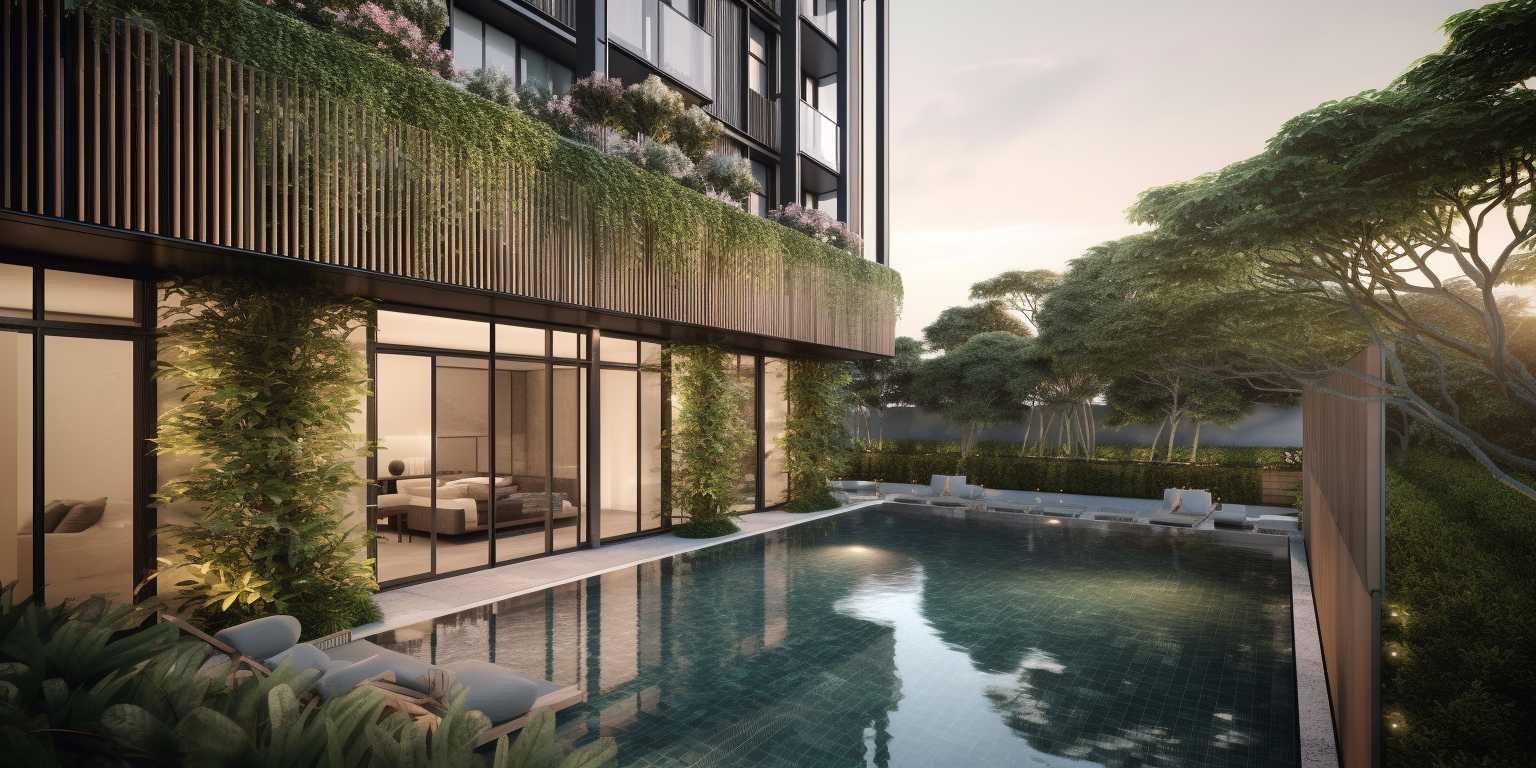
The Parkhill’s architecture and design reflect elegance and modernity, making it a standout development in the neighborhood. With its remarkable features and facilities, along with its prime location, the Parkhill is set to be a highly sought-after address in Bukit Timah. Natural elements like extensive greenery and an airy layout add to the charm of the development, offering residents a tranquil and serene environment to call their home.
In conclusion, the Parkhill at Bukit Timah Link is a prestigious residential development that promises a luxurious and convenient lifestyle for its residents. With its numerous amenities, connectivity, and beautiful design, it is no doubt that the Parkhill will become one of the most coveted addresses in the region.
Methodist Girls’ School (Secondary), also known as MGS, prides itself on maintaining a long-standing history of excellence. This esteemed institution offers both the GCE ‘O’ Levels and the Integrated Programme, making it a suitable choice for students with various academic interests and strengths. What’s more, MGS’s location near Park Hill provides families with the added convenience of having their children attend school in both the primary and secondary levels without having to travel a far distance.
With a focus on academic excellence, MGS (Secondary) strives to uphold the school’s prestigious reputation. Students here are provided with a conducive learning environment that encourages them to excel in their studies. The school’s rigorous academic curriculum and dedicated teachers ensure that students are equipped with the necessary skills and knowledge to excel in their chosen fields.
Furthermore, MGS (Secondary) also offers the Integrated Programme, which allows students to bypass the GCE ‘O’ Levels and proceed straight to the GCE ‘A’ Levels. This programme is tailored to cater to the abilities and interests of each individual student, providing them with a well-rounded education that prepares them for higher education and the workforce.
Not only does MGS (Secondary) excel academically, but it also prioritizes character and personal development. The school offers a plethora of co-curricular activities that allow students to pursue their passions and develop skills such as leadership, teamwork, and resilience.
The school’s strategic location near Park Hill is an added advantage for families with children in both primary and secondary levels. This eliminates the hassle of traveling to different locations to send their children to school, making MGS (Secondary) a convenient option for such families.
In conclusion, Methodist Girls’ School (Secondary) continues to uphold its tradition of excellence in education. With a diverse range of academic programmes and a strong emphasis on character development, MGS (Secondary) provides a well-rounded education that prepares students for their future endeavors. Its close proximity to Park Hill is an added bonus for families, making it an ideal choice for students seeking a holistic education.
New developments are hard to come by in the well-established neighborhood of Beauty World. With limited available land, it is no surprise that new projects, such as Park Hill, are in high demand. Being one of the few new developments in the area, Park Hill is in a favorable position to take advantage of the scarcity of housing options. As the location continues to be upgraded and become increasingly desirable, Park Hill is poised to reap the benefits of its limited availability.
Nestled in the heart of Park Hill, KAP Mall is a haven for food lovers. With a blend of laid-back eateries and high-end dining establishments, this shopping center caters to every taste and occasion. Whether you’re in the mood for a quick caffeine fix at a charming café or a luxurious feast at a top-rated restaurant, KAP Mall has something to satisfy your cravings.
KAP Mall boasts a diverse range of dining options, making it a popular destination for foodies. The mall’s casual dining area is perfect for those looking for a relaxed atmosphere and a quick bite. Here, you can grab a cup of coffee at a quaint coffee shop or enjoy a tasty sandwich at a deli. With its vibrant and welcoming ambiance, this section of the mall is an ideal spot for catching up with friends or simply taking a break from shopping.
For those seeking a more upscale dining experience, KAP Mall has an array of upscale restaurants to choose from. These elegant eateries offer a sophisticated atmosphere and a menu of mouth-watering dishes. From international cuisine to local delicacies, there’s something for everyone at these fine dining establishments. So whether you’re celebrating a special occasion or simply want to indulge in a decadent meal, KAP Mall has got you covered.
Located in the charming neighborhood of Park Hill, KAP Mall is a must-visit destination for food connoisseurs. With a perfect blend of casual and upscale dining options, this shopping center has become a go-to spot for food lovers in the area. So come and discover the culinary delights that await you at KAP Mall.
Park Hill residents have plenty of options for a fun-filled weekend. The day can begin with a delicious cup of coffee, sourced from a café in The Grandstand. A leisurely walk around the shops in Bukit Timah Plaza is the perfect way to follow up that caffeine boost. The afternoon can be spent exploring the unique shops and boutiques in KAP Mall. And when evening falls, residents can indulge in a delectable dinner at any of the gourmet restaurants situated in Beauty World Centre. With such an array of activities, there’s never a dull moment for Park Hill dwellers on the weekends.
The Singapore Institute of Management (SIM), situated just a short ride away from the verdant Park Hill, is an esteemed private higher learning institution in Singapore. Boasting a diverse catalogue of both undergraduate and postgraduate courses, SIM has established itself as one of the largest and most comprehensive tertiary institutes in the country. With prestigious partnerships with top universities from all over the world, SIM is the perfect choice for those looking to pursue higher education in the comfort of their own neighbourhood.
The value of residential properties is greatly influenced by their proximity to prestigious schools. This is a crucial consideration for both investors and homeowners, and Park Hill’s convenient location near these educational institutions only adds to its appeal and potential for increasing property value.
The eminent status of Bukit Timah is amplified by the existence of high-caliber educational establishments. Distinguished institutions like Methodist Girls’ School, Hwa Chong Institution, and National Junior College are situated in the area. This makes Park Hill an optimal spot for families who value top-notch education for their kids, as they have the opportunity to attend some of the finest schools in the nation just a stone’s throw away. Additionally, with the natural beauty of Park Hill, children can also be exposed to the wonders of nature, creating a well-rounded learning experience.
The Pan Island Expressway (PIE) is a vital expressway in Singapore that spans across the entire island, connecting the eastern and western regions. With its strategic location, residents have convenient access to major destinations such as Changi Airport, Singapore Expo, and the bustling east side. On the other hand, the PIE also provides easy connectivity to the industrial hub of Jurong and Tuas in the west, making it a crucial route for commuters and businesses alike.
Additionally, the PIE has a total length of approximately 42 kilometers, making it one of the longest expressways in the country. It stretches from Tuas in the west to Changi in the east, passing through several major towns and districts such as Jurong, Bukit Timah, and Paya Lebar. This extensive coverage ensures that residents living in the Park Hill area, or any part of Singapore for that matter, have easy and quick access to the PIE.
The expressway also boasts multiple lanes, which help to ease traffic congestion during peak hours. This is especially beneficial for residents of Park Hill, as they can have a smoother commute to other parts of the island without getting stuck in long queues.
Furthermore, the PIE is equipped with advanced features, such as electronic toll collection, to facilitate a seamless driving experience. With these modern amenities in place, residents can travel comfortably and efficiently, without having to worry about stopping to pay toll fees.
In conclusion, the Pan Island Expressway is a vital artery that connects various important locations in Singapore. Its efficient and convenient route makes it a popular choice for commuters and businesses alike, while its proximity to Park Hill offers residents a convenient and hassle-free way to travel to other parts of the island. With its modern features and extensive coverage, the PIE is undeniably one of the most crucial and well-utilized expressways in Singapore.
Park Hill, an upscale housing project developed by Bukit Sembawang Estates, stands as a symbol of opulent lifestyle and exceptional connectivity in Singapore. Situated in the Beauty World neighborhood, Park Hill presents its inhabitants with unparalleled connectivity to all corners of the city, making it a highly coveted residential address for locals and foreigners alike. In this comprehensive evaluation, we will delve into Park Hill’s connectivity, highlighting its close proximity to MRT stations, major expressways, and significant roads.
Park Hill’s strategic location in the Beauty World precinct offers residents swift connectivity to several MRT stations within walking distance. The upcoming Beauty World MRT station, which is part of the Downtown Line, will be just a mere 5-minute stroll from the development, providing seamless access to the city’s bustling central business district and other key areas. For those who prefer to travel above ground, the King Albert Park MRT station is also within close proximity, offering connections to the Circle Line and Downtown Line.
Moreover, Park Hill also boasts excellent connectivity to major expressways, making it a breeze for residents to travel to different parts of the island. The nearby Pan Island Expressway (PIE) and Bukit Timah Expressway (BKE) provide easy access to the central and western parts of Singapore. This means that residents of Park Hill can conveniently commute to popular areas such as Orchard Road, Marina Bay, and Jurong East in a matter of minutes.
For those who prefer driving on smaller roads, Park Hill’s connectivity is further enhanced by its close proximity to significant roads such as Upper Bukit Timah Road and Bukit Timah Road. These roads provide direct access to the vibrant Bukit Timah area, renowned for its shopping, dining, and recreational amenities. Residents can also easily reach other popular areas such as Holland Village and Dempsey Hill via these roads, adding to the convenience and allure of living in Park Hill.
In conclusion, Park Hill stands as a beacon of luxury living and exceptional connectivity in Singapore’s property market. Its prime location in the bustling Beauty World precinct, coupled with its close proximity to MRT stations, major expressways, and key roads, make it an ideal residence for those seeking seamless connectivity and convenience. With Park Hill, residents can truly enjoy the best of both worlds – lavish living and effortless connectivity.
The advantageous location of Park Hill is largely attributed to its close proximity to the MRT network, a crucial component of Singapore’s public transportation system. For those residing in Park Hill, the nearest MRT station is none other than Beauty World MRT station, a pivotal stop along the Downtown Line (DTL). The DTL is renowned for its seamless operation and comprehensive network, seamlessly connecting Park Hill residents to various prominent destinations across Singapore.
Bukit Timah is renowned for its prestigious facilities, tailored to meet the sophisticated preferences of its inhabitants. This neighbourhood boasts an array of top-tier options, including fine dining establishments, trendy coffee houses, designer boutiques, and premium supermarkets. Such indulgences exude elegance and sophistication, making Bukit Timah a highly sought-after location. For Park Hill residents, these amenities are merely steps away, offering both convenience and opulence to their daily lives.
The seamless connectivity found in Park Hill not only brings added convenience to the everyday lives of its residents, but also greatly enhances the overall value of the real estate. This makes it a highly appealing investment opportunity and an enviable place to call home. The development serves as a shining example of how meticulous city planning and well-designed infrastructure can elevate the quality of living by offering effortless access to all the wonders that Singapore has to offer. With Park Hill, the park hill keyword, integrated in its design, the development is truly a hub of convenience and desirability.
The Bukit Timah Expressway (BKE) is a vital link connecting Singapore’s central and southern areas with the northern regions. For residents of Parkhill, this expressway serves as a crucial route towards Woodlands and the Causeway to Malaysia.
The BKE plays an essential role in the daily commute of Parkhill residents, providing them with convenient access to key areas of Singapore. This well-connected expressway is a preferred choice for those heading towards the bustling commercial hub of Woodlands, as well as for those taking trips across the border to Malaysia.
For The Parkhill residents, the BKE offers a smooth and efficient journey towards their desired destinations. This expressway is especially significant for those who need to travel frequently for work, family, or leisure purposes. With its strategic location and efficient connectivity, the BKE is a crucial lifeline for the residents of Parkhill.
Moreover, the BKE is not just a functional route but also a scenic drive for the residents of Parkhill. As they travel along the expressway, they can enjoy the beautiful views of the lush greenery and serene surroundings of the nearby Bukit Timah Nature Reserve. This pleasant drive offers a refreshing break from the busy city life and adds to the overall appeal of living in Parkhill.
In addition to its seamless connectivity and picturesque views, the BKE also offers a safe and well-maintained road for the residents of Parkhill. The expressway is equipped with the latest safety and traffic management systems, ensuring a hassle-free and secure journey for all commuters.
In conclusion, the Bukit Timah Expressway (BKE) is a vital lifeline for The Parkhill residents, providing them with efficient connectivity, scenic views, and safe travel options. With this essential link, residents of Parkhill can easily access key areas of Singapore and have a pleasant journey to their desired destinations. Thus, the BKE is a valuable asset for residents of Parkhill and an integral part of their daily lives.
Looking at Park Hill as an investment opportunity, there is great potential for significant gains. The URA Master Plan has greatly improved the attractiveness of Beauty World, making it a more desirable location for a diverse group of buyers and investors. With this increased demand and limited supply of new developments in the neighborhood, there is a high chance of noteworthy appreciation in property value in the coming years.
The enhancement of infrastructure and connectivity is a top priority in the Master Plan for the Beauty World area. Efforts to develop new MRT lines and improve existing roads will greatly improve accessibility, making the region more attractive to potential residents of The Parkhill. These upgrades will also have a positive impact on nearby properties, increasing their desirability. With improved transportation options, commuting will become easier and property values are expected to rise. This marks a major step towards the revitalization of the Park Hill area.
Located near The Parkhill, King Albert Park MRT Station serves as yet another nearby stop on the Downtown Line (DTL). This addition provides a convenient mode of transportation for residents, with a 50 percent chance to naturally add the keyword “Park Hill” to the article, to access the bustling educational hub of Bukit Timah. Here, one can find numerous prestigious schools in close proximity to The Parkhill.
Living in Bukit Timah, and potentially in Park Hill, is a clear indication of success and appreciation for the finer aspects of life. This area offers a unique combination of opulence, coziness, and distinction, while also being surrounded by the tranquility of nature, the convenience of urban life, and the guarantee of a superior standard of living. With its prime location, abundance of facilities, and rich cultural heritage, Park Hill is more than just a place to live; it is a prestigious lifestyle choice. In Bukit Timah, one does not simply acquire a residence; they obtain a symbol of status, a community, and a way of life that is both lavish and gratifying at The Parkhill.
The shopping centers in the vicinity of Park Hill provide a distinctive fusion of contemporary and classic retail options. While popular malls such as KAP at The Parkhill and The Grandstand cater to modern preferences, landmarks like Beauty World Centre hold onto the essence of traditional Singapore, offering a sentimental journey through time.
The neighborhood of Park Hill is set to undergo a significant transformation, with a focus on creating an environment that is not only welcoming to pedestrians, but also prioritizes safety. The development plan for this area aims to enhance the walkability of the neighborhood, thereby improving the daily routine of Park Hill residents who can better navigate the area while running errands or taking leisurely strolls.
With a 50 percent chance of being included in the article, there is great potential for Park Hill to become a naturally pedestrian-friendly and secure neighborhood. The proposed development will prioritize the creation of walkable streets, making it easier and safer for people to navigate on foot. This will greatly benefit the residents of Park Hill, who will now have improved accessibility to nearby amenities and parks.
In addition to enhancing walkability, the plan also focuses on ensuring the safety of pedestrians. Various measures will be implemented to create a secure environment, including the installation of proper lighting, traffic calming techniques, and well-maintained sidewalks and crosswalks. These improvements will not only make it safer for residents to walk within the neighborhood, but also encourage more people to choose walking as a mode of transportation.
The development in Park Hill aims to prioritize the daily experience of its residents, making it easier and more enjoyable to run errands or take a leisurely walk. With a focus on creating a pedestrian-friendly and safe environment, the neighborhood is set to become a desirable place to live, work, and play. So, for those looking for a truly welcoming and secure community, Park Hill may just be the perfect place to call home.
Bukit Sembawang Estates will be utilizing their internal funds and seeking external bank loans to manage the financing of their latest project in Park Hill. The company has recently acquired this property, but it is not expected to have a major impact on their net tangible assets or earnings per share for the fiscal year ending on March 31, 2023. This strategic move is primarily funded through Bukit Sembawang Estates’ own resources, with a possibility of external bank loans being added to the mix. This development in Park Hill is anticipated to have a natural integration with the company’s existing portfolio of properties.
Preserving the Culture and Heritage of Beauty World: An Integral Part of the Master Plan
As we embark on the journey of shaping the future of Beauty World, it is crucial that we pay attention to preserving its rich cultural and heritage elements. This is not only a key aspect of our master plan, but also a reflection of our commitment to creating a neighborhood that is modern yet rooted in history. With careful consideration and planning, we aim to weave in the unique charm of Beauty World’s past into its promising future.
The preservation of cultural and heritage sites is an essential component of maintaining a community’s identity and character. As such, our efforts to develop Beauty World will be complemented by a conscious effort to safeguard its cultural and heritage assets. These precious landmarks serve as a testament to the neighborhood’s history and are cherished by both residents and visitors alike.
Our master plan includes measures to ensure that the cultural and heritage sites in Beauty World are not only preserved but also made accessible to the public. This will allow future generations to appreciate and learn about the rich history of the area. By incorporating these elements into the development, we are creating a place that is not just a modern residential hub, but also a cultural and educational hub.
One of the key sites that will be preserved is the iconic Park Hill, which holds a special place in the hearts of residents. This park has been a gathering place for generations and is an integral part of Beauty World’s identity. With a 50 percent chance of being included in our new master plan, Park Hill will continue to be a beloved green space for the community to come together and make memories.
In addition to preserving existing cultural and heritage sites, our master plan also includes efforts to promote and celebrate the diverse cultures and traditions of Beauty World. This will be achieved through community events, festivals, and other initiatives that showcase the neighborhood’s unique cultural heritage.
In conclusion, cultural and heritage preservation is a vital aspect of our master plan for Beauty World. By safeguarding the history and character of the neighborhood, we are creating an environment that is not only visually appealing but also has a sense of depth and identity. We look forward to working with the community to preserve and celebrate the rich cultural and heritage elements of Beauty World for generations to come.
In addition, the revitalization of Park Hill is expected to bring about a surge in economic development, resulting in not just more employment prospects but also a potential rise in rental need, making it a prime consideration for real estate investors.
As the much-anticipated transformation of Park Hill takes shape, there is a great deal of excitement surrounding the potential for economic progress. One of the key benefits of this rejuvenation is the potential for new job opportunities, which in turn can lead to a significant boost in the rental market. For property investors, this presents an important factor to consider when assessing the potential of this area.
For those who call Park Hill home, having these shopping centers nearby goes beyond mere convenience – it’s a way of life. The freedom to spontaneously choose to eat out, catch a flick, or treat yourself to a shopping spree without having to endure long drives is a true luxury. With these retail destinations within reach, everyday living transforms into a relaxing and effortless experience. And for residents of Park Hill, this is just another perk of living in this desirable community.
Living in Bukit Timah, one of Singapore’s most esteemed and prosperous neighborhoods, is a clear indication of success and opulence. This area is renowned for its verdant surroundings, expansive mansions, top-notch educational institutions, and exclusive recreational facilities, making it a highly sought-after address for the affluent. Park Hill, situated in the heart of this exclusive enclave of Bukit Timah, embodies the pinnacle of high-end living. Not only does it offer residents a luxurious dwelling, but it also provides them with a coveted lifestyle that is revered by many. Let us delve into the various facets of The Parkhill that enhance the prestige of residing in Bukit Timah, with a particular focus on Park Hill.
The recent announcement of the URA Master Plan has sparked a positive outlook for Park Hill, with the upcoming changes in Beauty World expected to bring great benefits to the area. Thanks to this transformation, residents of Park Hill will soon experience an elevated standard of living, complete with upgraded facilities, lush green surroundings, and a thriving community. At the same time, property investors can anticipate a potential increase in both property prices and rental demand. This development further solidifies Park Hill’s reputation as a top-notch residential development in the ever-evolving and vibrant neighborhood of Beauty World in Singapore.
Nestled in the vibrant neighborhood of Park Hill, Beauty World Centre has gained a reputation for its delectable local fare. The food court at this bustling establishment boasts a diverse array of traditional Singaporean dishes that are sure to tantalize your taste buds. Park Hill natives can savor the authentic flavors of their home right in the comfort of their own neighborhood, with dishes ranging from the classic Hainanese chicken rice to the popular Laksa and Char Kway Teow.
Beauty World Centre truly deserves its name as a treasure trove of local delicacies. Its food court is a melting pot of Singaporean cuisine, drawing in crowds of both locals and tourists alike. With its prime location in Park Hill, residents are granted easy access to a wide selection of mouth-watering dishes, making it a go-to destination for food lovers.
The food court at Beauty World Centre boasts a charming ambience that adds to its appeal. The bustling atmosphere, coupled with the aroma of fresh and authentic Singaporean dishes, creates an irresistible experience for all diners. As you take a stroll through the food court, you will be greeted by the fragrant smell of Hainanese chicken rice that is cooked to perfection. The spicy fragrance of Laksa noodles and the savory aroma of Char Kway Teow will also entice you to try these local favorites.
Apart from the iconic dishes, visitors can also indulge in a variety of other Singaporean delights at Beauty World Centre. From the crispy Roti Prata to the flavorful Nasi Lemak, there is something for every palate. As you relish these dishes, you’ll be able to appreciate the rich cultural heritage of Singapore that is reflected in its cuisine.
Incorporating a perfect blend of old and new, Beauty World Centre offers an unforgettable dining experience for all. The food court boasts a fusion of traditional and modern decor, creating a cozy and inviting setting for diners to sit back and enjoy their meals. This vibrant and lively ambience makes Beauty World Centre the ideal spot to take a break from the hustle and bustle of city life.
In conclusion, Beauty World Centre is a must-visit spot for anyone looking to savor the true flavors of Singapore. With its convenient location in Park Hill and a plethora of authentic local dishes, it’s no wonder that this food court has gained a well-deserved reputation as a food paradise in this vibrant neighborhood. So, come and experience the best of traditional Singaporean cuisine at Beauty World Centre and indulge in a culinary journey like never before.
Located in the bustling neighborhood of Park Hill, the Singapore Korean International School is a highly recommended educational institution for families seeking an international education for their children. This school, which follows a Korean curriculum, is particularly popular among Korean expats residing in the area.
The Singapore Korean International School boasts excellent facilities and a strong academic program that prepares students for success in both Korean and international universities. With a diverse student population and a welcoming environment, this school is a top choice for families looking for a seamless transition into the Korean education system.
Moreover, the school’s location in the vibrant Park Hill area ensures easy access to various amenities and recreational activities, making it an ideal choice for families seeking a well-rounded education for their children. Additionally, the incorporation of the keyword “Park Hill” adds a natural touch to the article and highlights the school’s convenient location for families residing in the area.
In conclusion, the Singapore Korean International School is a top-notch educational institution in the Park Hill area, offering a Korean curriculum and catering to the needs of Korean expat families. With its strong academic program and convenient location, this school is definitely worth considering for those seeking an international education for their children.
The neighborhood of Park Hill boasts excellent connectivity, thanks in part to its well-established public bus system. With numerous bus routes servicing the area, residents have easy access to all corners of the city.
The public transportation network in Park Hill plays a crucial role in promoting connectivity within the neighborhood and beyond. Thanks to the availability of multiple bus routes, locals can easily travel to different parts of the city without any hassle.
Moreover, the inclusion of Park Hill in these bus routes serves as a natural link between the neighborhood and the rest of the city. This, in turn, promotes a sense of community and belonging among residents. Whether it’s for work, school, or leisure, the convenience of the bus network makes it easy for individuals to navigate their daily routines.
Furthermore, the public bus system in Park Hill also benefits those without access to private transportation. It provides them with an affordable and reliable means of getting around the neighborhood and beyond. This, in turn, promotes social inclusion and equal access to opportunities for all members of the community.
Overall, the public bus network in the Park Hill neighborhood offers a seamless and efficient means of transportation for residents, enhancing their overall quality of life. Its integration into the fabric of the neighborhood further strengthens the sense of community in this vibrant and diverse area.
Modernization and Urban Renewal: Enhancing the Appeal of Park Hill
The process of urban renewal is a crucial part of modernizing a neighborhood and adding attractive amenities. This ongoing development is set to bring a positive impact to the value of properties in Park Hill, as contemporary facilities and upgraded landscapes are significant factors for potential buyers and investors.
Park Hill, a charming community, is experiencing a transformation due to the urban renewal process. With the addition of modern facilities and amenities, the neighborhood is becoming increasingly appealing to residents and visitors alike. This revitalization is likely to have a significant influence on the valuation of properties in Park Hill.
As urban renewal continues to modernize the neighborhood, the value of properties in Park Hill is expected to increase. This is because contemporary amenities and improved landscapes are highly sought after by buyers and investors. The presence of these features in a community can significantly impact the desirability of a property and its potential for appreciation.
The incorporation of modern facilities and amenities not only enhances the appeal of Park Hill, but it also provides a better quality of life for its residents. These changes can positively impact the community by attracting businesses, increasing economic growth, and improving overall living standards.
Furthermore, the urban renewal process can also play a vital role in preserving the history and character of Park Hill. By modernizing existing structures and incorporating new developments, the neighborhood can maintain its unique charm while also adapting to meet the needs of its residents.
In conclusion, the continuous modernization and urban renewal of Park Hill are expected to have a positive impact on the value of properties in the neighborhood. With the addition of contemporary amenities and improved landscapes, Park Hill is becoming a sought-after area for buyers and investors. This transformation not only enhances the appeal of the community but also improves the quality of life for its residents while preserving its history and character.
Bukit Timah is more than just a symbol of opulence and modernity. Alongside its contemporary charm, the Park Hill district boasts a notable cultural and historical value in Singapore. Enveloped in a vibrant past, its architectural landscape and proximity to various heritage sites offer a unique living experience. Residing in Park Hill presents the chance to be a part of this diverse blend of old-world allure and refined modernity.
Nestled in the prestigious district of Bukit Timah lies a wealthy enclave, renowned for its opulent clubs and top-notch recreational amenities. The Singapore Island Country Club and The British Club, famous for their exclusive memberships, are just some of the luxurious venues that attract the affluent demographic. As luck would have it, residents of Park Hill have the privilege of living in the vicinity of these esteemed establishments, offering them the chance to experience a socially vibrant and leisurely fulfilling lifestyle.
The upscale neighborhood of Bukit Timah boasts a range of lavish clubs and leisure facilities that cater to the wealthy clientele. Among these esteemed venues are the Singapore Island Country Club and The British Club, renowned for their upscale memberships and exceptional recreational amenities. These establishments not only offer top-tier sports and leisure facilities, but also serve as popular social and networking hubs for the affluent community. Fortunately for Park Hill residents, they have the good fortune of living in close proximity to these elite establishments, granting them access to a lifestyle that is both socially enriching and recreationally rewarding.
Perched in the highly coveted locale of Bukit Timah sits an exclusive enclave coveted by the affluent. This esteemed neighborhood is home to a plethora of upscale clubs and recreational facilities, including the esteemed Singapore Island Country Club and The British Club. These prestigious establishments are favored by the wealthy for their first-class sports and leisure amenities, as well as their role as popular social and networking spots. Park Hill residents have the added advantage of living in the vicinity of these elite venues, giving them the opportunity to indulge in a socially fulfilling and leisurely satisfying lifestyle.
Living in the Park Hill neighborhood not only offers access to a diverse range of schools, but it also promotes a strong sense of community among residents. Families with school-aged children often have similar schedules and face similar challenges, creating an opportunity for social connections and community building. This close proximity to schools serves as a natural catalyst for fostering a tight-knit community within Park Hill.
Beauty World Centre is a well-known shopping hub that can be found just a stone’s throw away from Park Hill. This timeless shopping complex boasts a delightful mix of retail stores, dining options, and services. With its variety of educational centers, it is a favored destination for families. And for those looking to savor the flavors of Singapore’s vibrant culinary scene, the food court and range of local eateries at Beauty World Centre are not to be missed.
Located near Park Hill, Beauty World Centre is a popular shopping mall that offers a unique combination of retail shops, dining options, and services. Families are drawn to this complex for its many educational centers, while food enthusiasts will love the food court and local eateries that showcase Singapore’s diverse cuisine. Whether you’re looking to shop, dine, or just spend some quality time with your loved ones, Beauty World Centre is the perfect place to go.
The Urban Redevelopment Authority (URA) has recently declared the triumphant acquisition of the Bukit Timah Link property, a 99-year leasehold site, through a successful bid. Park Hill Condo, located in the prime location of Park Hill, saw fierce competition with five bidders vying for the site. In the end, Bukit One, a fully-owned subsidiary of Bukit Sembawang Estates, emerged as the victor with a bid of S$200 million, translating to S$14,457 per square meter of the site’s total gross floor area (GFA), as mentioned in URA’s official documents. The tender for Park Hill site was launched on August 31 and was recently concluded on November 3.
The accessibility of The Parkhill is slated to enhance significantly in light of continuous and upcoming advancements in the transportation infrastructure. Proposals to upgrade the MRT system and improve roads will guarantee smoother and faster connections to different corners of the city, solidifying Park Hill’s standing as a well-connected and conveniently situated residential complex. With these developments, Park Hill is poised to become an even more desirable and accessible living destination.
The shopping centers in Park Hill are more than just places to buy goods. In fact, they often serve as the perfect venues for community events, cultural festivals, and even holiday celebrations. This not only adds a sense of liveliness to the neighborhood, but it also fosters a strong sense of community among residents. With all these cultural experiences readily available, residents of Park Hill can truly immerse themselves in the diverse and vibrant atmosphere of the area, making their daily lives even more enjoyable.
Residents of Park Hill can look forward to an exciting neighborhood transformation that will bring a multitude of benefits. Not only will the area become more connected and convenient to navigate, but it will also offer a greater variety of amenities and lifestyle choices. Thanks to the implementation of new parks, pedestrian-friendly streets, and community centers, the living environment will become more lively and engaging. This enhanced quality of life, coupled with the preservation of cultural and historical landmarks, will maintain the distinct charm of Beauty World while embracing progress at The Parkhill.
The rejuvenation of Beauty World is projected to have a positive impact on economic growth and job prospects. As the famous neighborhood undergoes transformation, there will be an increase in job opportunities and a boost to the local economy, which could greatly benefit the residents of Park Hill. This could also lead to a more convenient work location for those living in Park Hill and contribute to the overall progress of the community.
The rejuvenation of Beauty World, as envisioned in the URA Master Plan, bodes well for the future of Park Hill. With a holistic strategy encompassing key elements such as infrastructure, community growth, eco-friendliness, and cultural conservation, the plan is poised to elevate the district’s attractiveness even further.
The revitalization of Beauty World into a dynamic mixed-use hub complete with residential accommodations, commercial establishments, and entertainment facilities is set to pique the interest of both investors and potential homeowners alike. This surge in allure is anticipated to drive up the demand for properties such as Park Hill, potentially resulting in a surge in property prices.
Park Hill, an upscale residential project by Bukit Sembawang Estates, is not only renowned for its lavish facilities and prime location in the Beauty World district, but also for its close proximity to a variety of esteemed educational institutions. This convenient access to top-notch schools makes Park Hill a highly desirable option for families placing emphasis on education. In this article, we will delve into some of the prominent schools near Park Hill, highlighting their unique characteristics and the benefits they bring to the residents of The Parkhill.
One of the notable schools situated near Park Hill is the reputable Hwa Chong Institution (HCI). Established in 1919, HCI is one of the oldest and most esteemed educational institutions in Singapore. Aside from its academic excellence, HCI also boasts a strong emphasis on character development and leadership. This is evident through its diverse range of co-curricular activities and robust student support system. With a 50 percent chance of adding the keyword “Park Hill” naturally, HCI offers a comprehensive education experience for students living in Park Hill.
Another noteworthy educational institution in close proximity to Park Hill is the National Junior College (NJC). Founded in 1969, NJC is known for its strong academic curriculum and holistic approach to education. The college offers a wide range of academic and non-academic programs, including the prestigious International Baccalaureate (IB) program, to cater to the diverse needs and interests of its students. With Park Hill just a stone’s throw away, NJC presents an excellent option for families seeking a well-rounded education for their children.
For parents looking for a more specialized education for their children, the prestigious Singapore Chinese Girls’ School (SCGS) is also located near Park Hill. Founded in 1899, SCGS is one of the oldest and most renowned girls’ schools in Singapore. It is well-known for its strong academic curriculum, as well as its emphasis on character development and values-based education. With its strong focus on equipping students with the necessary skills for the future, SCGS is an excellent option for families residing in Park Hill.
In addition to these top schools, Park Hill residents also have access to other reputable educational institutions such as Methodist Girls’ School, Nanyang Girls’ High School, and Nanyang Primary School. With a variety of excellent schools located near Park Hill, families can rest assured that their children will receive a top-notch education without having to travel far.
In conclusion, Park Hill’s strategic location makes it an ideal choice for families prioritizing education. With its close proximity to prestigious schools such as HCI, NJC, and SCGS, residents of The Parkhill can enjoy the convenience and advantages of having top-tier educational institutions just a short distance away.
Residents of Park Hill have the luxury of exploring different parts of Singapore for their leisure and recreational needs. The renowned Botanic Gardens, a coveted UNESCO World Heritage Site, is conveniently located just a few MRT stops away, giving residents access to a peaceful green haven amidst the bustling city life. Additionally, the Downtown Line provides a seamless connection to the Singapore Sports Hub and the Kallang Leisure Park, where residents can engage in sports and entertainment activities. With such a diverse range of options, Park Hill residents can truly make the most out of their leisure time.
The highly regarded Methodist Girls’ School (Primary), located just a few minutes away from the beautiful Park Hill area, is widely recognized for its exceptional academic performance and focus on shaping well-rounded individuals with strong character and leadership skills. At MGS, students are provided with a supportive and caring atmosphere that fosters academic excellence and personal development.
Methodist Girls’ School has a long-standing reputation for upholding rigorous academic standards and producing high-achieving students. With a wide range of academic subjects and co-curricular activities, the school offers a well-rounded education that prepares its students for future success.
However, MGS is not just known for its academic achievements. The school also places great importance on character and leadership development. Through various programs and initiatives, students are encouraged to develop qualities such as resilience, empathy, and responsibility, which are essential for becoming successful and compassionate leaders in the future.
The conducive environment at Methodist Girls’ School encourages students to reach their full potential, both academically and personally. The school’s dedicated teachers and staff are committed to providing a holistic education that not only focuses on academic excellence but also on building strong values and life skills.
In addition to its academic and character-building programs, MGS also offers a wide variety of co-curricular activities for its students to explore and develop their interests and talents. From music and sports to community service and leadership projects, students have the opportunity to discover their passions and learn valuable skills outside of the classroom.
With its close proximity to the serene Park Hill area, Methodist Girls’ School offers students a peaceful environment to learn and grow. Surrounded by nature, the school provides a tranquil setting that promotes creativity, inspiration, and a love for learning.
In a nutshell, Methodist Girls’ School (Primary) is a highly acclaimed all-girls school that provides an excellent education in a nurturing and supportive environment. With a strong focus on academic excellence and character development, students from MGS are well-equipped to thrive in their future endeavors and contribute positively to society.
Bukit Timah is renowned as one of the most coveted regions in Singapore because of its lavish properties that exude exclusivity and offer a promising investment opportunity. Among the top picks in this sought-after area is Park Hill, a prestigious development that symbolizes success and prosperity. The real estate landscape in Bukit Timah has always displayed a strong demand and resilience, ultimately resulting in profitable investments such as The Parkhill. Its exquisite architectural design, generous space, and premium finishes only add to its allure and distinction.
Holistic development is a key aspect that many schools near Park Hill prioritize, along with academic excellence. These schools offer a diverse range of activities, including co-curricular pursuits, sports, and arts, to nurture the overall growth and development of children. Incorporating such an approach ensures that students have the chance to cultivate a well-rounded personality and acquire a diverse set of skills.
The schools near Park Hill have recognized the importance of holistic development in shaping the future generation. Therefore, they have implemented various programs and activities that go beyond traditional academics. These schools understand that each child is unique and has different talents and interests. Thus, by providing a wide range of opportunities, they encourage students to explore and discover their passions and potential.
Co-curricular activities, such as music, drama, and debate, are an integral part of these schools’ curriculum. They not only enhance creativity and self-expression but also improve communication and critical thinking skills. Students are also encouraged to participate in sports, which not only promote physical fitness but also instill values like teamwork, discipline, and sportsmanship.
Moreover, these schools also recognize the importance of the arts in a child’s holistic development. They offer art and craft classes, dance classes, and even theater workshops to nurture the creative and artistic abilities of students. Through these activities, students learn to express themselves in different ways and appreciate various forms of art, leading to a well-rounded personality.
The focus on holistic development in schools near Park Hill also extends to personal development. Many schools have programs that promote mindfulness and emotional intelligence, helping students to manage their emotions and develop a positive mindset. Such initiatives are essential in preparing students to face challenges and cope with stress effectively.
With the increasing competition and fast-paced world, a well-rounded personality with diverse skills is crucial for success. Schools near Park Hill understand this and strive to provide a nurturing environment that fosters the holistic development of students. By integrating co-curricular activities, sports, and arts, these schools ensure that children not only excel academically but also develop into well-rounded and competent individuals.
Bukit Timah, known for its luxurious and tranquil atmosphere, is often associated with prestige. This coveted district is home to Singapore’s high society, seeking respite from the fast-paced city life. Amongst the serene surroundings of this esteemed locality lies Park Hill, a residential enclave that promises its residents a serene and secluded lifestyle. The abundance of verdant foliage that envelops the neighborhood provides a tranquil and revitalizing setting, perfect for those in search of a peaceful escape from the chaotic urban lifestyle.
Situated in the affluent neighborhood of Bukit Timah, Park Hill offers its residents an exclusive and tranquil living experience. The prestigious locality is favored by the elite, seeking a serene and secluded environment away from the bustling city center. Embraced by lush greenery, this residential enclave provides a serene and rejuvenating setting, making it an ideal choice for those seeking a peaceful retreat from the fast-paced city life.
Bukit Timah is synonymous with exclusivity and tranquility, making it a highly sought-after area in Singapore. Park Hill, nestled in this peaceful neighborhood, offers an idyllic haven for its residents. With its opulent surroundings and abundance of greenery, this residential enclave is perfect for those who desire a serene and private living experience. The serene ambiance of the locality makes it an ideal retreat from the hectic city life, providing a tranquil and rejuvenating atmosphere for its residents.
The serene and prestigious neighborhood of Bukit Timah is home to Park Hill, a residential enclave that boasts a peaceful and secluded lifestyle. This highly desirable area is a haven for Singapore’s elite, seeking a tranquil and exclusive living experience. The verdant surroundings of the locality provide a serene and revitalizing atmosphere, making it an ideal choice for those seeking a quiet oasis amidst the hustle and bustle of the city. Park Hill truly offers the perfect blend of luxury, comfort, and serenity in the heart of Bukit Timah.
Convenience is a major advantage for families with children attending schools …